
A master bathroom should feel calm and cohesive, but it also needs to handle regular use. Cabinet finishes influence both sides of that equation. Wood species, stain color, sheen, surrounding light, and the room’s other materials all affect whether a vanity feels warm and timeless or visually heavy.
In Chicago homes, the decision can be particularly nuanced. Some primary bathrooms receive abundant daylight, while others rely primarily on artificial lighting. The cabinetry may also need to coordinate with original hardwood, traditional millwork, contemporary tile, or an adjoining bedroom.
Builders Cabinet provides custom and semi-custom cabinetry for bathroom projects and offers finish choices through Orchard Hill Cabinetry, its locally manufactured Chicago line. Orchard Hill’s finish categories include stain, paint, supermatte, acrylic, textured finishes, and melamine.
Consider the Wood Grain Before the Stain Color
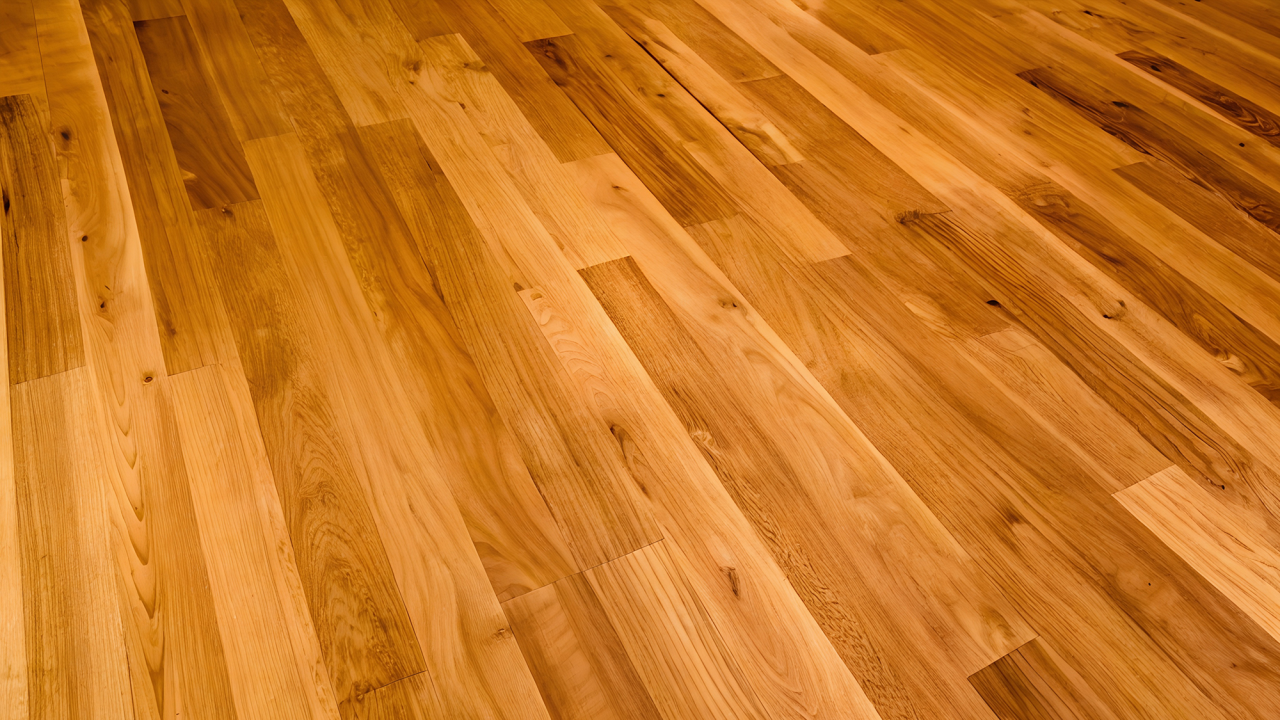
A stain does not sit on top of wood in the same way paint does. It interacts with the grain, natural color, and characteristics of the selected material. The same stain can therefore look different on two wood species.
A pronounced grain creates movement and texture. A smoother wood produces a more uniform appearance. Neither is inherently better, but one may be more suitable for the design.
Visible grain often complements:
Natural stone
Handmade or textured tile
Traditional hardware
Warm metal finishes
Simple countertops
Neutral wall colors
If the bathroom already contains several patterned materials, a quieter cabinet surface may create better balance.
Light Wood Finishes Make the Room Feel Open
Light stains can add warmth without reducing the visual size of the bathroom. They are especially useful in spaces with limited windows or a compact vanity area.
A pale wood finish pairs well with white, cream, soft gray, and warm beige. It can also soften highly polished tile or a large expanse of stone.
For a relaxed appearance, combine light wood cabinetry with:
Matte or honed countertops
Warm white walls
Simple cabinet hardware
Softly textured tile
Layered, warm lighting
Light wood does not have to mean rustic. A streamlined cabinet door and understated hardware can make it feel distinctly contemporary.
Medium Wood Tones Create a Timeless Foundation
Medium stains often offer the greatest flexibility. They provide enough contrast to define the vanity while remaining easy to coordinate with a wide range of surfaces.
These finishes can suit traditional, transitional, or contemporary bathrooms depending on the door style and hardware. A medium wood vanity may look classic with a framed door and polished fixtures or more modern with a slab-style front and minimal pulls.
Medium stains are also helpful when the bathroom needs to relate to existing woodwork elsewhere in the home. The finishes do not need to be identical, but their undertones should be compatible.
Dark Wood Finishes Add Formality
Dark-stained cabinetry can give a master bathroom a tailored, furniture-like quality. It works especially well on a large double vanity, a built-in linen cabinet, or a makeup station.
Because dark finishes absorb light, balance is important. Pair them with lighter surrounding materials, such as:
White or cream countertops
Pale floor tile
Light wall colors
Large mirrors
Layered vanity lighting
Glass shower panels
In a smaller bathroom, use a dark finish selectively. A dark vanity can ground the room without making it feel enclosed if the walls and floor remain light.
Coordinate Undertones with Tile and Countertops
One of the most common finish mistakes is evaluating the cabinet sample by itself. The correct question is not simply whether the wood looks attractive. It is whether the wood works with the room’s other permanent materials.
Warm wood stains generally coordinate well with cream, beige, and warm-veined stone. Cooler or neutral stains may be more comfortable beside crisp white, blue-gray, or cooler tile.
Place cabinet, countertop, floor, and wall samples together before making a final decision. Check them under the bathroom’s actual lighting. A stain that appears neutral in daylight may look noticeably red, orange, or gray beneath warm bulbs.
Select an Appropriate Sheen
Sheen affects both appearance and maintenance. A higher-sheen finish reflects more light and may emphasize fingerprints or surface variation. A lower-sheen finish creates a softer look and often feels more contemporary.
For many master bathrooms, a controlled satin or matte appearance provides a good balance. It gives wood sufficient depth without creating distracting reflections.
Homeowners interested in alternatives to traditional stains can also review supermatte, acrylic, melamine, and textured finish categories available within the Orchard Hill collection.
Plan the Vanity as Part of the Entire Room
A master bathroom vanity should not be treated as an isolated piece. Consider how the cabinet finish connects to:
The bedroom flooring and furniture
Interior doors and trim
Shower tile
Countertop veining
Mirror frames
Plumbing fixtures
Decorative lighting
Repeating one undertone or material elsewhere in the room helps the design feel intentional. For example, a warm wood vanity may be echoed through a wood-framed mirror or brass hardware. A cooler stain might be paired with nickel fixtures and gray-veined surfaces.
Review Full-Size Samples in Person
Small digital images cannot fully communicate wood grain, sheen, or stain variation. Viewing a physical door sample makes it easier to understand how a finish will look across an entire vanity.
Builders Cabinet maintains showrooms in Chicago and Lombard where homeowners can explore cabinetry and discuss design choices in person. The Chicago showroom features Orchard Hill Cabinetry and Mantra Cabinets.
A well-chosen wood finish gives a master bathroom warmth, visual structure, and a stronger connection to the rest of the home. Focus on undertones, lighting, grain, and long-term compatibility rather than choosing a finish based on a small sample alone.

